
















What Kind of Bus Game Is This?
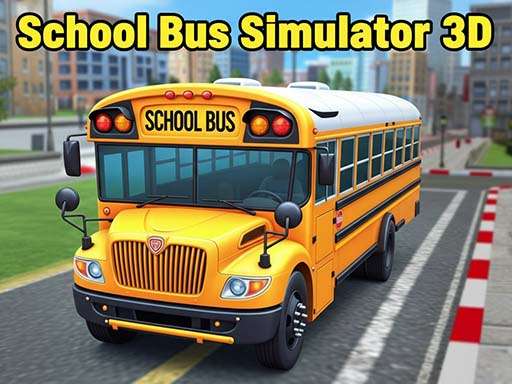
School Bus Simulator 3D is a browser-based driving game that mixes city route driving with parking challenges. You're behind the wheel of a school bus, picking up and dropping off passengers across a 3D environment that includes weather changes and a day-night cycle. It's not a hardcore simulator, but it does expect you to manage fuel, stick to routes, and park the bus in tight spots.
The game feels closer to a casual driving puzzle than a pure simulation. You'll spend about as much time parking as you will driving, and that's where most of the challenge lives.
Getting the Controls Down
WASD or arrow keys move the bus. Space bar is the handbrake. If you're on a touch device, there are on-screen buttons. The camera can be switched between several angles, which is useful for parking. The default chase cam works fine for driving, but switch to the top-down or bumper view when you're backing into a parking spot.
One thing that trips up new players: the bus has weight and momentum. It doesn't stop on a dime. Tap the brake early when approaching a stop or a tight turn. Holding the brake too long can actually make you slide if the road is wet — yes, rain affects traction.
Route Driving vs. Parking: Two Different Skills
Route driving is straightforward: follow the glowing markers, stop at the indicated pickup points, and wait for passengers to board. The game marks your next stop with a clear arrow, so getting lost is rare. The real test is time. You have a timer for each route, and if you drive too slowly or miss a stop, you'll lose points. Keep a steady speed and avoid unnecessary detours.
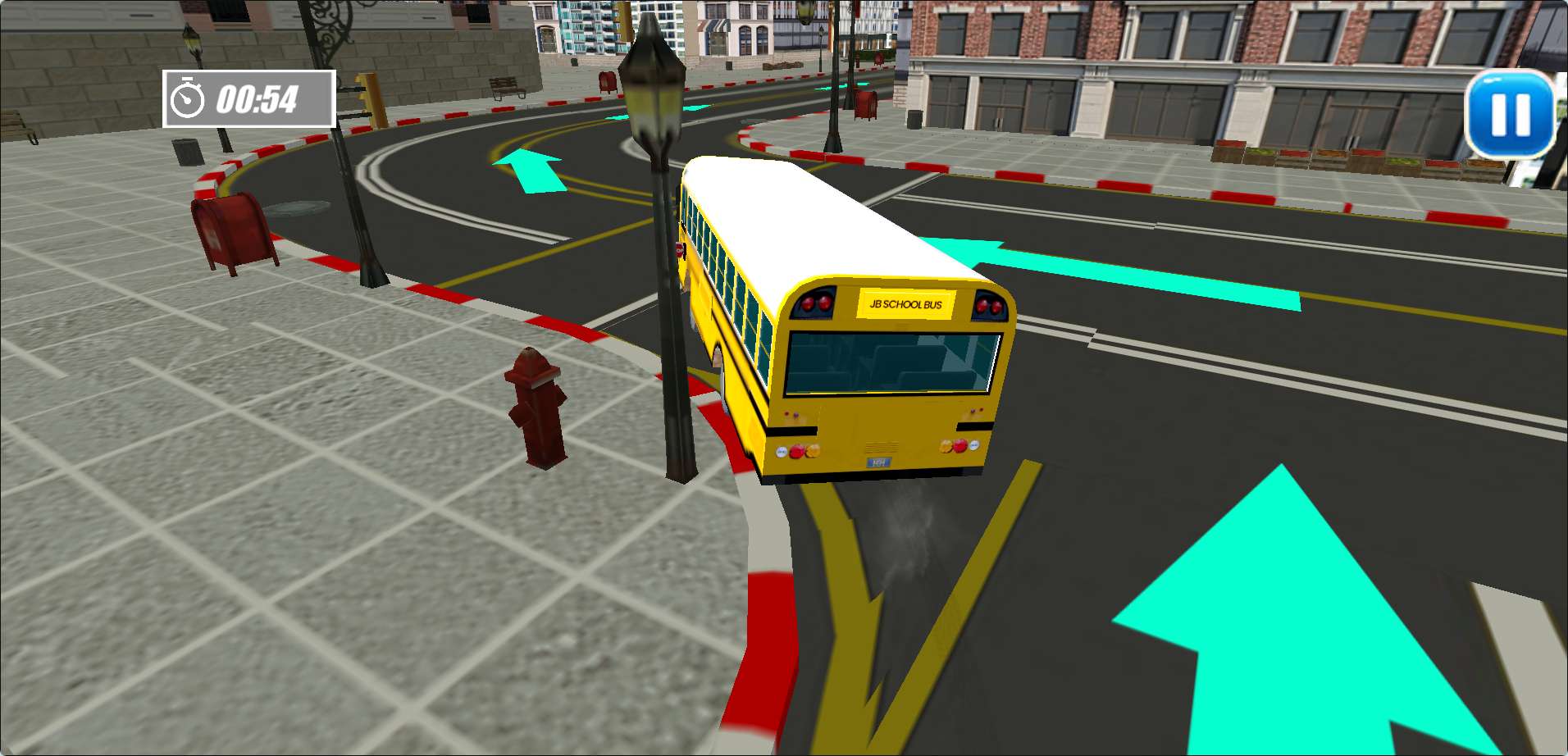
Parking, on the other hand, is where most people fail. You'll be asked to reverse into a slot between other vehicles, often with very little space. The handbrake is your friend here. Come to a complete stop, switch to the rear camera view, and make small steering adjustments. If you rush, you'll clip a car and have to restart the parking segment.
Fuel Management: Don’t Ignore It
Fuel isn't just a cosmetic gauge. Run out in the middle of a route, and you fail. Every bus starts with a full tank, but longer routes will drain it. There are fuel stations scattered around the map — they look like small gas pumps with a yellow marker. Make it a habit to refuel after every second route, or whenever you see a station nearby. It only takes a few seconds and saves you from a frustrating restart.
Also, the bigger the bus, the more fuel it drinks. The standard school bus is fine for most tasks, but some later missions give you a larger coach bus. It handles differently — wider turns, slower acceleration — and burns fuel faster. Plan your refueling stops accordingly.
Common Mistakes and How to Fix Them
New players tend to make the same few errors. Here's what to watch for:
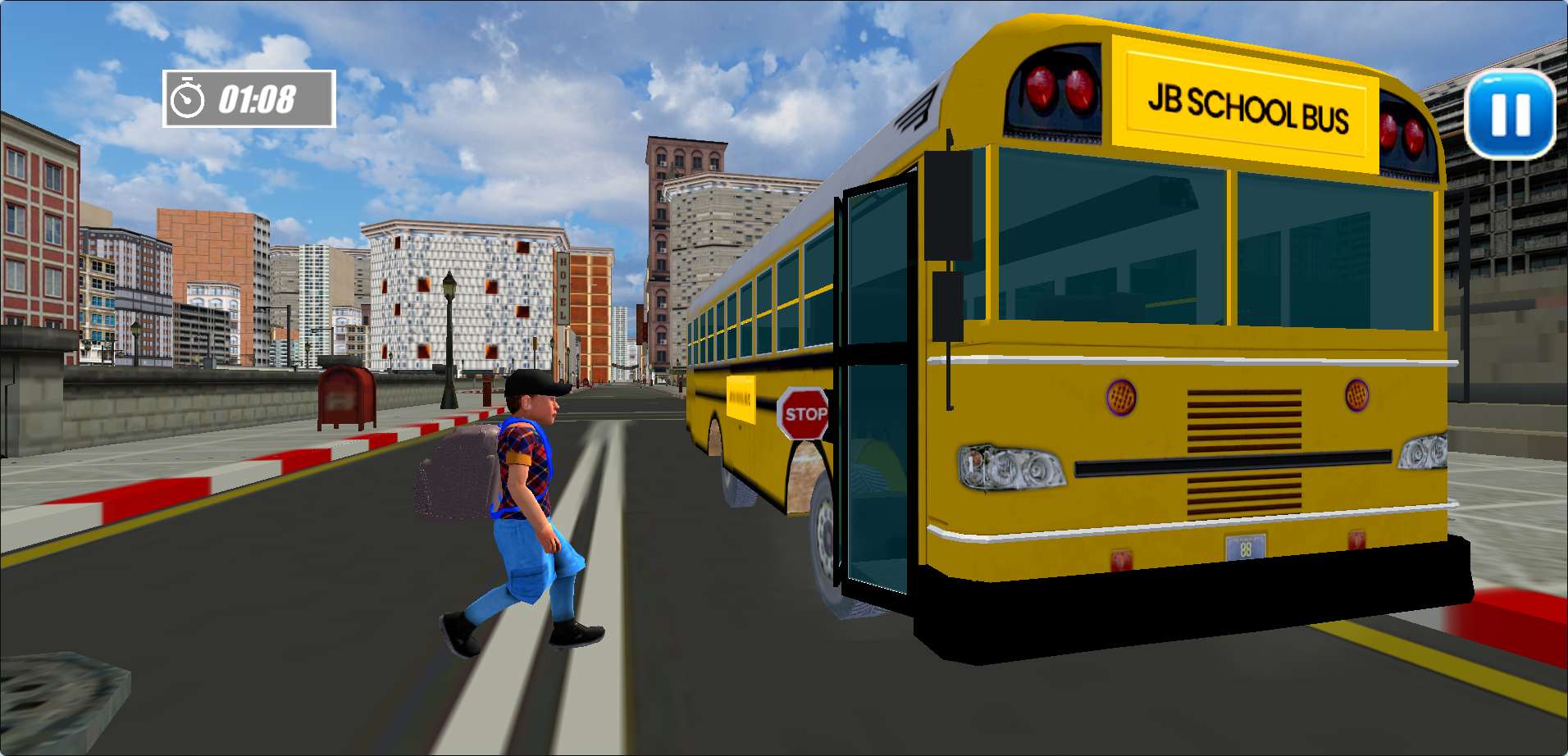
- Skipping passengers. You have to stop exactly at the marked spot. If you stop too early or too late, the passengers won't board. Pull up slowly until you see the boarding animation start.
- Overcorrecting while reversing. When parking, tiny steering inputs work better than big wheel turns. If you overcorrect, you'll end up angled wrong. Stop, straighten the wheel, and try again.
- Ignoring the mini-map. The mini-map in the corner shows your route and upcoming turns. Glance at it during straight sections so you're ready for the next corner. Helps a lot with the timer.
One more thing: the game doesn't punish you for bumping into things during parking unless you hit something hard enough to trigger a failure. Light taps are usually fine. Don't stress over perfect first attempts — just get the bus inside the lines.
Who Will Actually Enjoy This?
School Bus Simulator 3D is a decent pick if you like driving games but don't want the complexity of a full sim. It's also good for short sessions — a single route plus parking takes maybe five minutes. The repetition might bother some players after a while, since the core loop doesn't change much. But if you find parking challenges oddly satisfying (and some people really do), this one has enough variety in its maps and bus types to keep you busy for a few hours.
The weather effects are a nice touch, though they don't drastically change gameplay. Rain makes the roads slightly slick, but it's not punishing. The day-night cycle is mostly cosmetic — the streetlights come on, but visibility stays fine. It's the kind of detail that makes the world feel a little more alive, even if it doesn't affect your score.
If you're the type who likes to optimize a route and then nail a tight reverse park, this game will click with you. If you're looking for deep simulation or narrative, look elsewhere.